

Dizzy Miss Lizzy is the top-ranked (in this ranking) of the Beatles’ three Larry Williams covers (with 141: Bad Boy and 195:Slow Down).
 The Beatles Bible
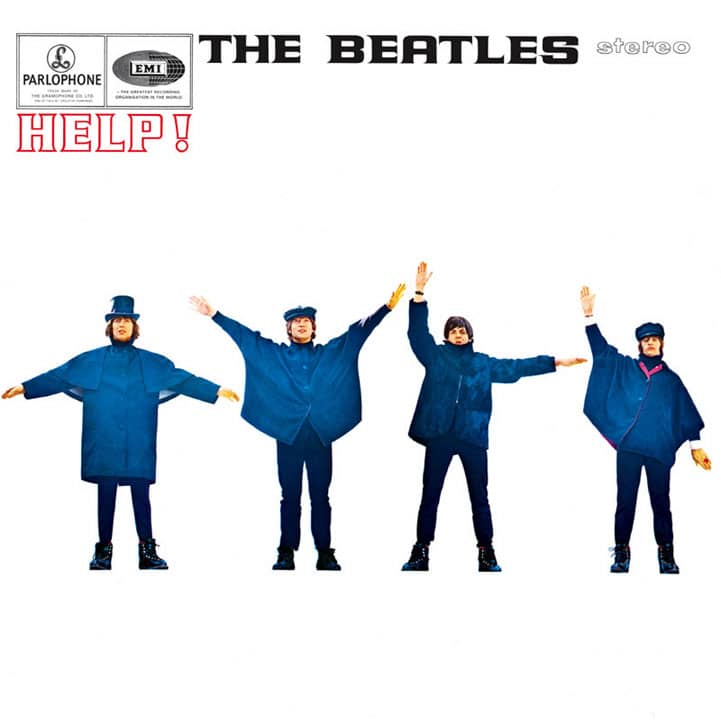
The Beatles recorded a retitled version of Larry Williams’ ‘Dizzy Miss Lizzie’ for their US record company Capitol, who released it on the 1965 compilation Beatles VI.
 Continue reading on Beatles Bible →
 Wikipedia
I think it’s fair to surmise that as Williams was among the most covered artists in the Beatles’ official recorded catalogue that he was an important influence. Lennon sings all three covers and it’s likely that his vocal approach was influenced by Williams’. While McCartney learned to imitate label-mate Little Richards’ voice, Lennon was inspired by Williams’ slightly gruffer tone which was better matched to his range. That said, Williams, to my ear, has a slightly more laid back delivery.
Lennon typically pushes even harder to get an even more raw and intense sound, as he does here on Dizzy Miss Lizzy. Whereas Williams has a brass section, the Beatles rely on the vocal for all the energy. This is a song where he goes almost all out – according to McCartney some takes were criticised by George Martin as ‘not exciting enough’ so it bears comparison with Twist And Shout and Money, and provides a similar album ending vocal climax to the Help! album. For me though neither vocal or backing track is quite as convincing as either.
Dizzy Miss Lizzy was originally produced to meet the needs of US label Capitol who, having stalled the Beatles during their early days, were by 1965 running out of material from the back catalogue to package up into yet another hotch-potch 10-12 track album. It was not until Sgt Pepper, several albums too late, that they began to respect the Beatles intended album formats.
I knew Dizzy Miss Lizzy pretty well from my teens. Although I did not have Help! It appeared on the unofficial (but cheap) mfp Rock And Roll Music compilation album, and also the Hollywood Bowl live album. In my view, the live version (now appearing on the Eight Days A Week documentary soundtrack album where it has been cleaned up) is better than the studio recording. In the live track, Harrison is playing some interesting and varied lead riffs under the verse. The main weakness of the studio version is that the main riff gets a bit repetitive and scrappy under the verses, but on the other hand it does benefit from “more cowbell“.